
















White sugar alternatives: which ones should you really choose?
Sugar: we demonise it as much as we love it. What attitude and lifestyle should we adopt to manage this genuinely complex topic?
Our bodies need sugar. The brain alone consumes around 5 grams of glucose per hour. Carbohydrates are part of our basic metabolism, and blood glucose must be kept within a very narrow range for everything to function properly.
The problem, therefore, is not sugar itself but it’s excess.
The World Health Organisation recommends limiting added sugars to around 25 grams per day, roughly 5% of daily caloric intake. A quantity many people exceed before lunch. Sugar is everywhere: in cakes, pastries, chocolate, muesli and granola, plant-based drinks… but also in a whole host of savoury foods: sauces, ready meals and even some frozen products.
So, should we replace white sugar? And if so, with what?
Why Does Sugar Cause Problems?
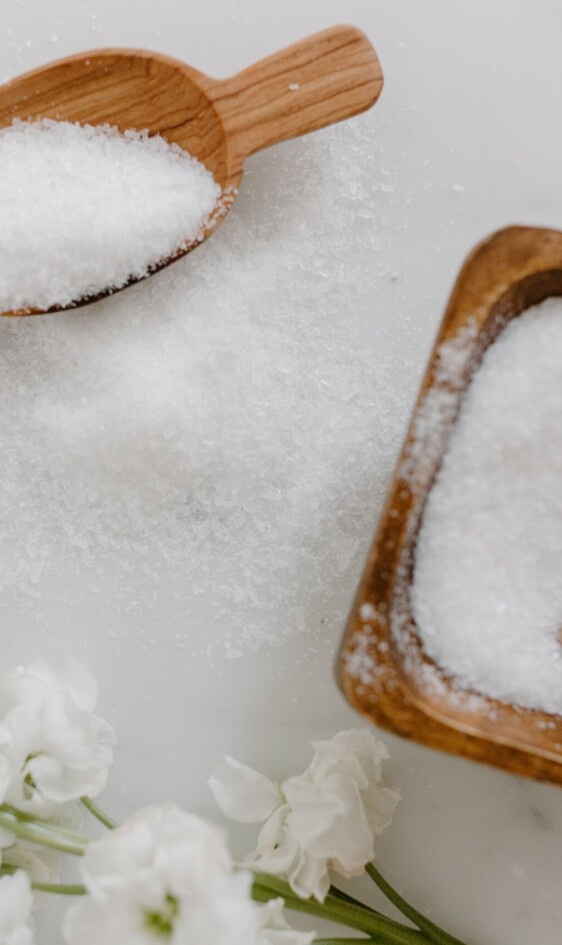
When we consume too much sugar, our body must quickly eliminate the excess glucose in the blood. A small portion is stored as glycogen in the liver and muscles. Once these reserves are full, the surplus is converted into fat. And unlike our kitchen cupboards, the body’s capacity to store fat seems almost unlimited. Chronically excessive glucose also promotes low-grade inflammation and oxidative stress which are two major enemies of our health.
What Is the Link Between Sugar and Skin Ageing?
Another lesser-known phenomenon: glycation. When blood sugar remains too high or experiences repeated spikes, a chemical reaction called glycation occurs. Glucose binds to certain proteins in the body, particularly collagen and elastin, the two pillars of skin firmness and suppleness.
The result: these fibres become stiffer, less functional and more fragile. We call these Advanced Glycation End Products, or AGEs.

In practice, this can manifest as:
- a loss of firmness;
- less plump skin ;
- wrinkles that deepen more quickly;
- a duller complexion;
- reduced skin repair capacity.
Imagine a brand-new, supple elastic band. Then the same band left in the sun for several months: it becomes dry, brittle, less effective. It’s a simplified image, but it helps illustrate what glycation can cause over time.
After menopause: a need for extra vigilance
The menopause period deserves specific attention. The drop in oestrogen is often accompanied by reduced insulin sensitivity and a greater glycaemic response after meals. For the same amount of carbohydrates, blood sugar spikes can therefore be higher than before, which partly explains the common question: « I eat the same as before but I’m gaining weight. »
At the same time, collagen production naturally slows down. The skin has fewer resources to compensate for the effects of glycation. This is one of the reasons why some women suddenly notice a loss of radiance, firmness, or an acceleration of skin ageing around this period.
The good news? A few simple adjustments can make a real difference.
How to limit glycation on a daily basis
The goal is not to cut out all carbohydrates or live in fear of a square of chocolate. The aim is to avoid repeated blood sugar spikes.
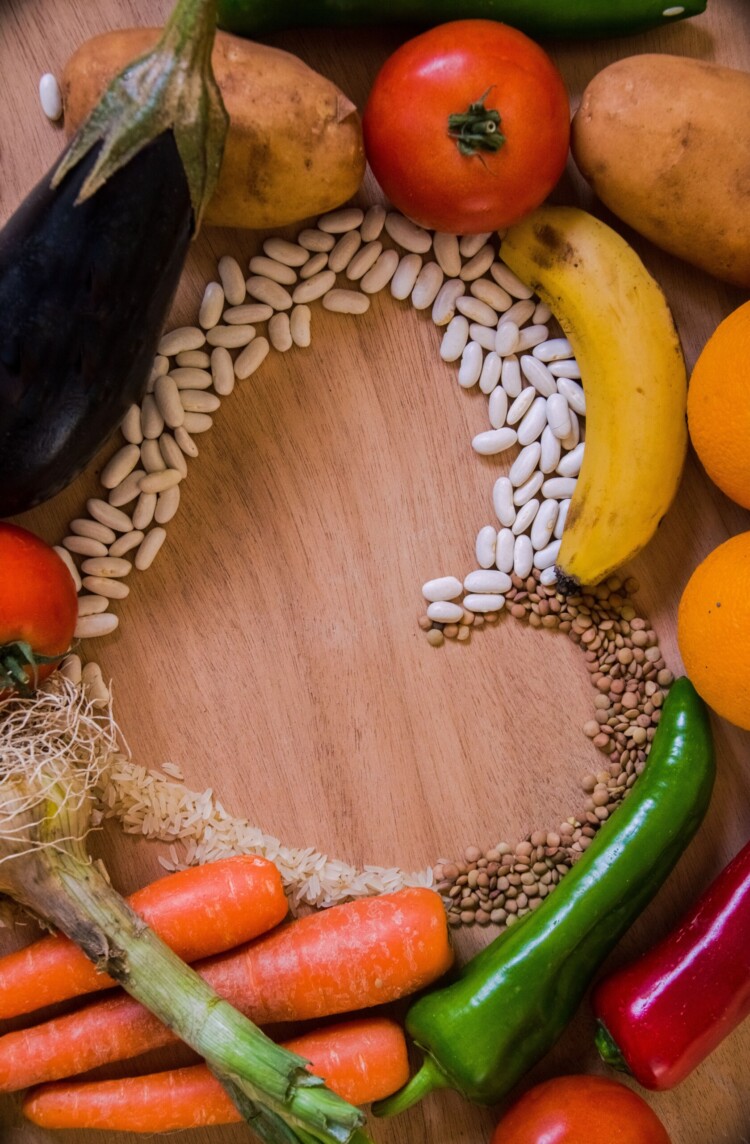
A few useful habits:
- favour fibre-rich carbohydrates (wholegrains and vegetables);
- always combine carbohydrates with protein and/or healthy fats;
- avoid sugary drinks, which enter the bloodstream very quickly;
- start meals with vegetables;
- choose sugar alternatives with a more moderate glycaemic impact where relevant.
In naturopathy, we often say that the skin reflects what is happening inside. Radiant skin depends on the products you apply — but also on how you nourish your cells, your microbiome, your hormones and your blood sugar.
Even the best pro-age serum will work far better if it doesn’t have to constantly fight against a daily flood of sugar molecules.


A false friend: fructose is not the hero you might think
For a long time, fructose enjoyed an excellent reputation thanks to its low glycaemic impact. Yet its metabolism is particular. Unlike glucose, fructose cannot be stored as glycogen in the muscles. It is primarily processed by the liver, where it can be converted into fat when consumed in excess. This is why a low glycaemic index is not automatically a sign of a better choice.
Alternatives to White Sugar

- Honey
- Coconut Sugar
- Agave Syrup
- Maple Syrup
- Rice Syrup
- Chicory Sugar
- Yacon Syrup
- Stevia
- Monk Fruit
- Allulose
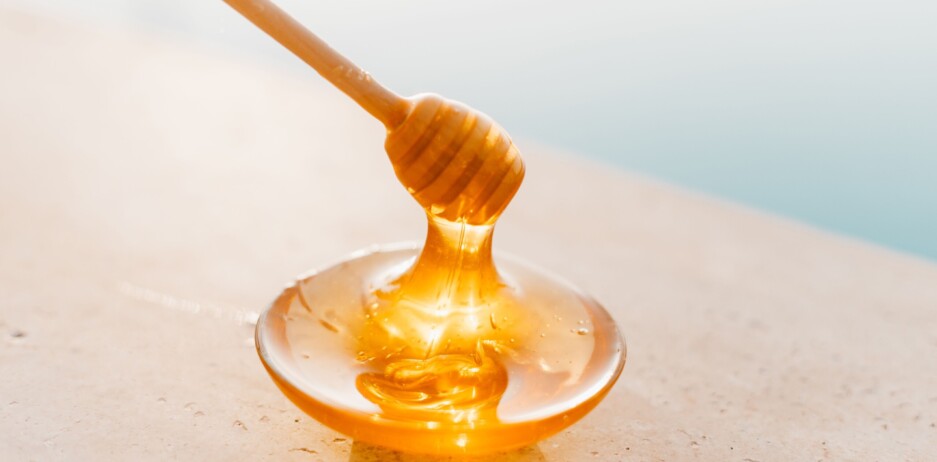
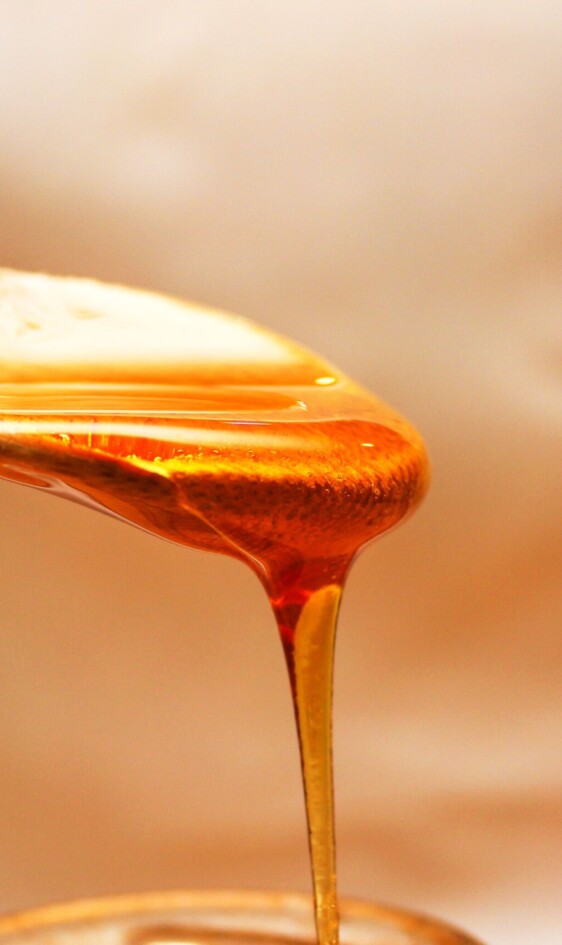
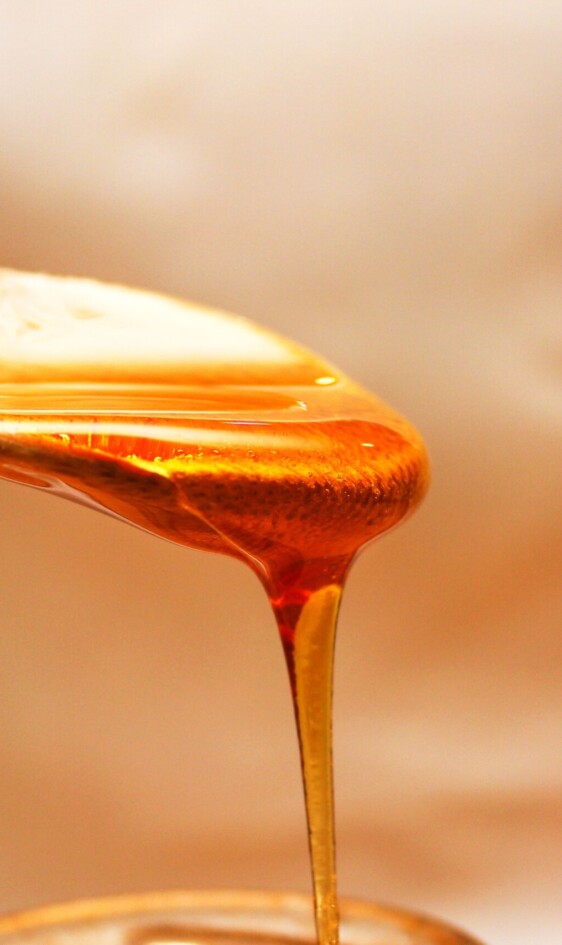
Honey
Produced by bees from flower nectar, it contains small amounts of antioxidants, minerals and bioactive compounds that vary depending on its botanical origin.
Worth noting:
- Natural and minimally processed when good quality so choose organic from a beekeeper;
- Contains interesting antioxidants;
- Rich flavour often means you use less.
Worth considering:
- Mainly composed of glucose and fructose;
- Glycaemic index varies significantly by variety;
- Metabolic impact remains close to that of other sugars when consumed in large quantities.
In practice, honey is a small wonder : best used raw, without heating, as a functional food rather than a sweetener.
Coconut Sugar
Obtained from the sap of coconut palm flowers, it has several advantages. Its glycaemic index is relatively low and it retains some micronutrients such as potassium and certain B vitamins. Its slightly caramelised flavour works particularly well in baking.
Worth noting:
- Low glycaemic index;
- Some interesting minerals;
- Pleasant flavour.
Worth considering:
- It is still sugar;
- Its caloric content is close to that of regular sugar;
- It comes from far away so not the best carbon footprint !
Chicory Sugar
One of the most interesting alternatives available today. Chicory sugar is derived from the chicory root and is primarily composed of inulin and sometimes fructo-oligosaccharides (FOS), its prebiotic fibres naturally present in the plant. Unlike regular sugar, these fibres are barely absorbed in the small intestine. They feed the microbiome and cause very little rise in blood sugar.
Worth noting:
- Very low glycaemic impact;
- Interesting prebiotic effect;
- Can help nourish beneficial gut bacteria;
- Reduced caloric intake.
Worth considering:
- May cause bloating in sensitive individuals;
- Should be introduced gradually;
- Not always suitable for irritable bowel syndrome.
This is typically an ingredient whose benefits depend greatly on the state of your microbiome.

Agave Syrup
Its main advantage is its high sweetening power, you use less to achieve the same sweetness. However, its production process is very industrial and its high fructose content deserves consideration.
Worth noting:
-
- Very sweet;
-
- Neutral flavour.
Worth considering:
-
- Very high in fructose;
-
- Can cause digestive discomfort in some people;
-
- Quality varies greatly depending on production methods.
Maple Syrup
Made from concentrated maple sap through evaporation, it retains some interesting minerals such as zinc, calcium and potassium. It contains less fructose than agave.
Worth noting:
- Minimally processed (if you choose 100% natural/raw);
- Some micronutrients.
Worth considering:
- Its glycaemic index remains relatively high.
Rice Syrup
Made through the enzymatic fermentation of rice, it has one interesting characteristic: it contains virtually no fructose. It is often well tolerated by people sensitive to FODMAPs.
Worth noting:
- Fructose-free.
Worth considering:
- Very high glycaemic index.
Yacon Syrup
Yacon is a root native to South America. Its syrup is rich in fructo-oligosaccharides and has an extremely low glycaemic index.
Worth noting:
- Minimal glycaemic impact;
- Prebiotic effect.
Worth considering:
- May cause bloating;
- Also contains a significant proportion of fructose;
- It comes from far away, not the best carbon footprint.


Stevia
Extracted from a plant, it has an impressive sweetening power, up to several hundred times that of sugar — and provides virtually no calories.
Worth noting:
- No blood sugar spike;
- Very low in calories.
Worth considering:
- Distinctive aftertaste;
Reacts differently from sugar in cooking, so not well suited to baking. Best reserved for sweetening drinks or dairy products.

Monk Fruit
Still little known in Europe, this Asian fruit contains naturally very sweet molecules.
Worth noting:
-
- Zero calories;
-
- No glycaemic impact;
-
- Stable when heated.
Worth considering:
-
- Harder to find;
-
- Does not perfectly replace sugar in all recipes;
-
- It comes from far away, not the best carbon footprint.
Allulose
Allulose occurs naturally in small quantities in certain fruits. It provides around 10% of the calories of regular sugar while retaining a similar flavour.
Worth noting:
- Very low glycaemic impact;
- Low in calories;
- Does not promote tooth decay.
Worth considering:
- Still not widely available and not authorised for sale in Europe, you would need to order from American websites;
- Long-term data still limited.
The false friends: artificial sweeteners and polyols
My naturopathic approach leads me to remain cautious about artificial sweeteners. Beyond the ongoing scientific debates surrounding some of them, they often reinforce a habit of very sweet tastes without genuinely helping to re-educate the palate. The same applies to polyols such as sorbitol, xylitol or maltitol. They can be useful occasionally but frequently cause digestive issues : bloating, gas, intestinal discomfort, that are best avoided.
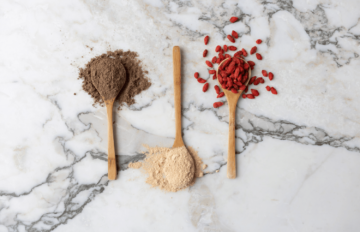
Spices: the forgotten allies
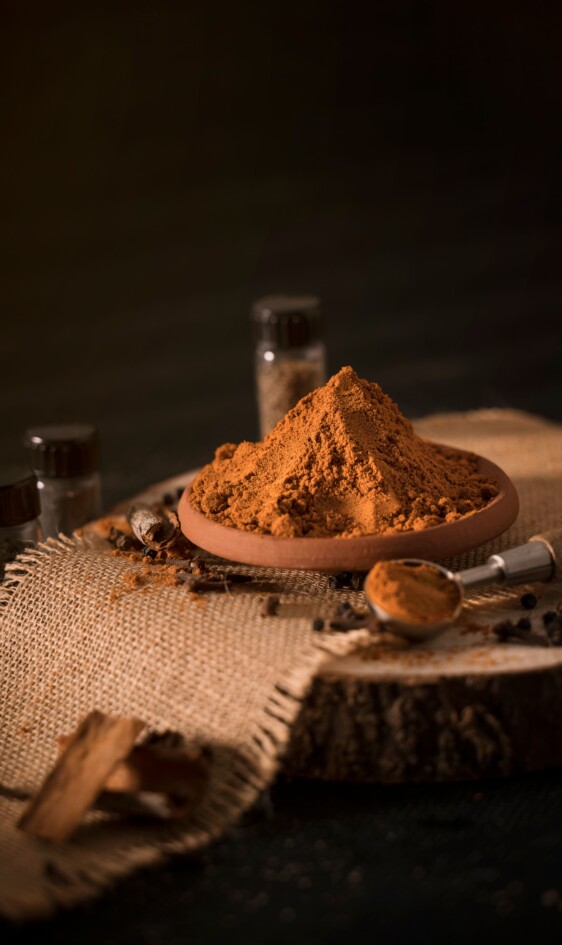
What if the best alternative isn’t always another type of sugar? Cinnamon, vanilla, lucuma and liquorice (not recommended for those with high blood pressure) can often naturally reduce the amount of sugar needed in a recipe. They add aromatic complexity where sugar only adds sweetness.


What Really Matters
The best strategy is not necessarily to replace white sugar with another sugar. It is above all about gradually reducing your threshold for perceiving sweetness, and allowing yourself an occasional genuine sweet treat when you feel like it (a Paris-Brest for me).
And when you do eat carbohydrates, think about pairing them with fibre, protein or healthy fats. This slows their absorption and limits blood sugar spikes, particularly valuable after menopause, when the glycaemic response tends to be higher.
At the end of the day, the question is not: « Which sugar can I eat without guilt? »
The real question is: « How can I find a more balanced relationship with sweetness? » And no magic powder can do that for you.