














Winter Longevity Rituals
Winter is not a season to endure while keeping spring in sight.
It is nature’s quiet invitation to slow down, regenerate, and lay the foundations for lasting health. In naturopathy, aligning with seasonal rhythms is considered one of the major keys to longevity.So this winter, I invite you to turn these months into a gentle cellular rejuvenation retreat.
The Power of Slowing Down
Before we even talk about food or movement, let’s begin by aligning our mindset with the season.
Winter teaches us a fundamental lesson that our hyperactive world has largely forgotten: rest is wise (and deeply necessary).
Slowing down doesn’t mean stopping.
It’s simply a different quality of movement — more conscious, more grounded, more regenerative.
Like the earth resting beneath a blanket of snow, our bodies need to decelerate in order to rebuild energy — so it can rise again in spring and fully bloom in summer.

Let the Seeds Stay Underground
Your ideas, projects, and aspirations are like seeds.
Rather than forcing them to sprout immediately, allow them to remain in the nourishing silence of the soil — in the fertile dark of your unconscious.
They mature slowly, strengthen quietly, drawing from the depths of your imagination and intuition.
Over these winter months, listen to your ideas, write them down, meditate on them — but resist the urge to make them concrete too quickly.
You’ll harvest far richer fruit come spring.
Winter Nutrition: Feeding the Inner Fire
Our diet should evolve with the seasons — this is a cornerstone of functional health.
In winter, the body needs warmth, immune support, and deep, steady energy.
Warm food becomes your greatest ally.
While it’s still beneficial to include a small amount of raw foods for enzymes and vitamins, cold salads and juices are no longer the stars of the season.
Cooking prepares food, making it easier to digest and assimilate.
It’s a form of nutritional intelligence — a way of adapting wisely to the cold.
Seasonal Vegetables & Fruits (Organic when possible)
Vegetables:
Leeks, endives, cabbage (kale, cauliflower, broccoli, red cabbage, Brussels sprouts), carrots, beets, turnips, mushrooms, spinach, squash (butternut, red kuri), garlic, onions, shallots, celeriac, black radish, sweet potatoes, fennel.
Fruits:
Grapes, clementines, oranges, lemons, kiwi, pomegranate, pears, apples (stored varieties), raisins, dates.

Quality Proteins
Winter calls for protein.
Lean meats, oily fish rich in omega-3s (sardines, anchovies, herring, mackerel), high-quality eggs (if you can find omega-3–rich organic eggs, even better), and a little goat or sheep’s cheese if you tolerate lactose.
Build your meals around proteins that warm the body and support vital energy.
Don’t forget legumes — red lentils, green lentils, split peas, chickpeas.
They are winter’s quiet treasure: rich in protein, prebiotic fiber, and deeply nourishing.
Spices: A Pharmacy with Flavor
Spices are one of the most delicious ways to care for your health.
Cinnamon, turmeric, ginger, black pepper, cloves, cardamom, cumin — each one warms, stimulates circulation, supports immunity, and gently awakens metabolism.
In the evening, a cup of Golden Latte (plant milk with turmeric, ginger, and cinnamon) prepares the body for sleep while offering a subtle anti-inflammatory boost.
Good Fats
Extra-virgin olive oil (best used raw or gently heated), coconut oil (ideal for high-temperature cooking), flaxseed oil (rich in omega-3s, consumed raw and kept refrigerated for no more than three months), hemp oil (same rules apply).
These healthy fats support the brain, joints, and skin.
Stop fearing them — they are the architects of long-term health.
Aim for 2 to 3 tablespoons per day in total (not of each — let’s be clear 😉).
Haramaki

Winter’s Best Hack: The Haramaki
A recent discovery — and a winter favorite: the Haramaki.
This traditional Japanese fabric belt wraps around the lower back and kidneys, which in Chinese medicine are considered the seat of ancestral energy.
Keeping them warm is a way of protecting your inner flame.
Wear it under your clothes, warm it with a hot water bottle — it’s both preventative and deeply comforting.
Our great-grandparents knew this well, using flannel belts to keep their kidneys warm through winter. Some wisdom never goes out of style.
Photo credit: Happy Belly Barcelona
Winter Movement: Between Calm and Vitality
Yoga & Pilates: Cultivating Ease
Yoga becomes a winter refuge.
Favor grounding postures, gentle forward folds (to calm the nervous system), and soft twists (to massage the organs and support elimination).
Thirty to forty-five minutes, three times a week, is more than enough.
You’re not seeking performance — you’re cultivating inner fluidity and calm.
Pilates offers a more structured approach, strengthening core support and posture without the intensity of fitness training.
It’s intelligent, conscious movement that builds body awareness and resilience.
The Winter Paradox: Stimulating the Lymphatic System
When the body slows down, lymphatic circulation tends to stagnate.
To wake it up, nothing beats jumping rope — or simply jumping in place — for five minutes every morning.
Keep it short but non-negotiable.
Five minutes, every morning, shortly after waking.
Follow with a shower, finishing — if you can — with a cool rinse on the legs (or the whole body, excluding the head if you’re feeling bold).
Instant vitality guaranteed.
Add at least ten minutes of walking after lunch, ideally in natural light.
Not to burn calories, but to support digestion, stimulate metabolism, and reconnect with your surroundings.
Light: The Holy Grail
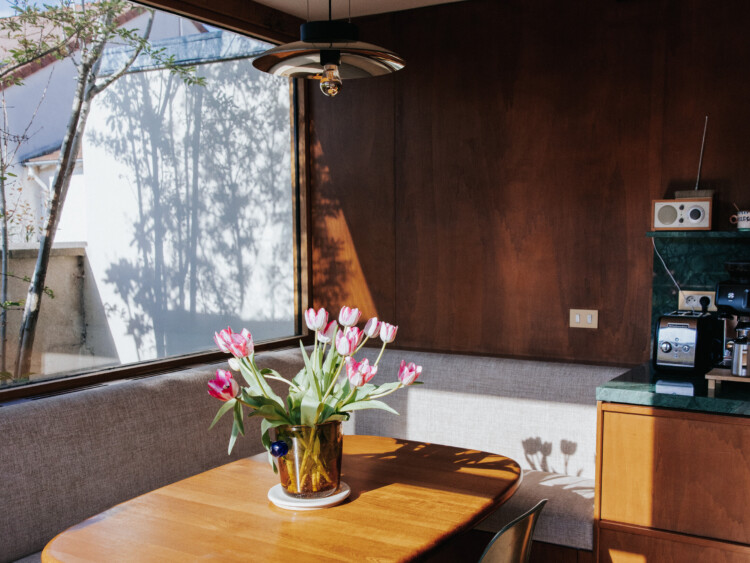
Winter deprives us of light — yet light regulates our hormones (cortisol, melatonin), mood, and alertness.
Its absence often leads to seasonal depression, chronic fatigue, and mental fog.
Within an hour of waking, expose yourself to natural light.
Coffee by the window or a 10–15 minute walk outside helps synchronize your biological clock and sets the hormonal tone for the day.
After lunch, another ten-minute walk in daylight.
This is when light is still available and your digestive system welcomes movement.
It’s also a clever way to send carbohydrates toward your muscles… rather than your hips 😉
If you live in a very dark region, consider a light therapy lamp (minimum 10,000 lux) for 20–30 minutes each morning.
It’s not a luxury — it’s a biological necessity.
The Spiritual Dimension: Meditation & Darkness
Winter is the season of introspection — of gently dissolving the ego into something larger.
Perhaps it’s the perfect time to explore meditation.
Start simply: five minutes a day.
Sit comfortably, close your eyes, follow your breath.
Don’t seek anything. Just be. Breathe. Exist.
With time, these five minutes may open a strange and beautiful paradox — a sense of disappearing while feeling deeply held.
Meditation is not a technique to obtain something.
It’s a doorway to what you already are.
Winter Is a Season of Deep Regeneration
By slowing down, nourishing ourselves with warmth and intelligence, moving consciously, seeking light, and embracing stillness, we create the conditions for lasting health — for conscious longevity and authentic vitality.
These three winter months are a rejuvenation cure offered by nature itself.
Accept it with gratitude.
In spring, you’ll emerge transformed, revitalized, ready to let bloom everything that quietly matured during this beautiful dark season.
Welcome to winter — welcome home.