






Antioxidants and Oxidative Stress: What to Understand Before Eating Well This Summer
The word “antioxidant” is everywhere, on supplement labels as much as on skincare packaging. But to understand why they matter so much, particularly in summer, it helps to first understand what they’re fighting against: oxidative stress. Here is what the scientific research says, what makes it worse, what it actually means for skin and health, and how to slow it down through diet.
What Oxidative Stress Actually Is
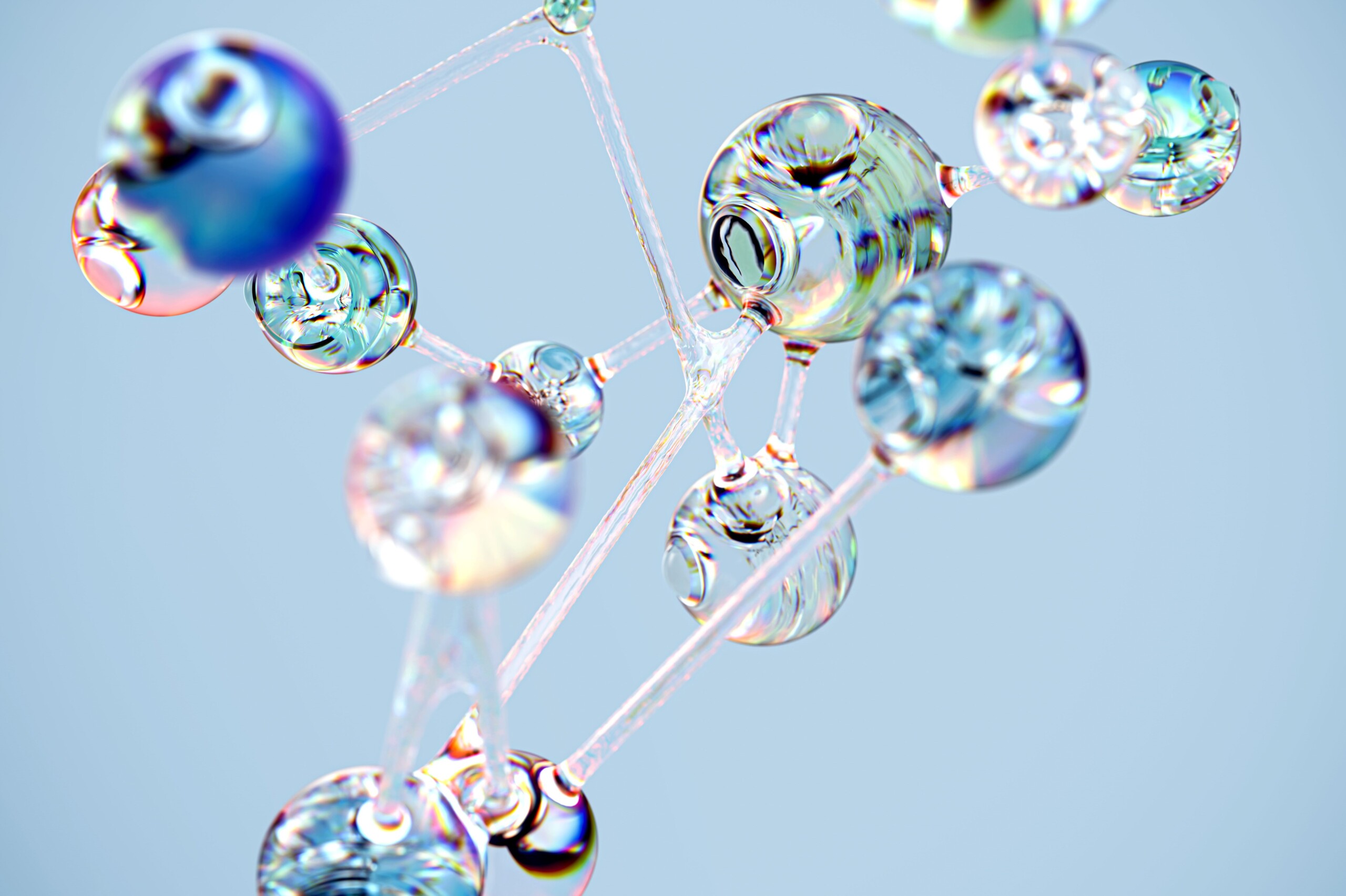
Oxidative stress is defined as an imbalance between the production of free radicals (or reactive oxygen species, ROS) and the body’s antioxidant defences, whether enzymatic (superoxide dismutase, glutathione, catalases) or supplied through diet (vitamin C, vitamin E, polyphenols).
A literature review published in the International Journal of Cosmetic Science notes that skin, as the body’s first interface with the external environment, is exposed to multiple sources of oxidative stress: UV radiation, infrared, visible light, pollution (including ozone and particulate matter), and even psychological stress (Chen X, et al. Oxidative stress in the skin: Impact and related protection. International Journal of Cosmetic Science, 2021).
Some of this free radical production is entirely natural: roughly 90% of a cell’s ROS come from the normal metabolism of oxygen in the mitochondria.
The problem arises when this production exceeds the body’s capacity to neutralise it.
What Makes Oxidative Stress Worse
Certains facteurs augmentent nettement la production de radicaux libres au-delà de ce que le corps peut naturellement compenser :
-
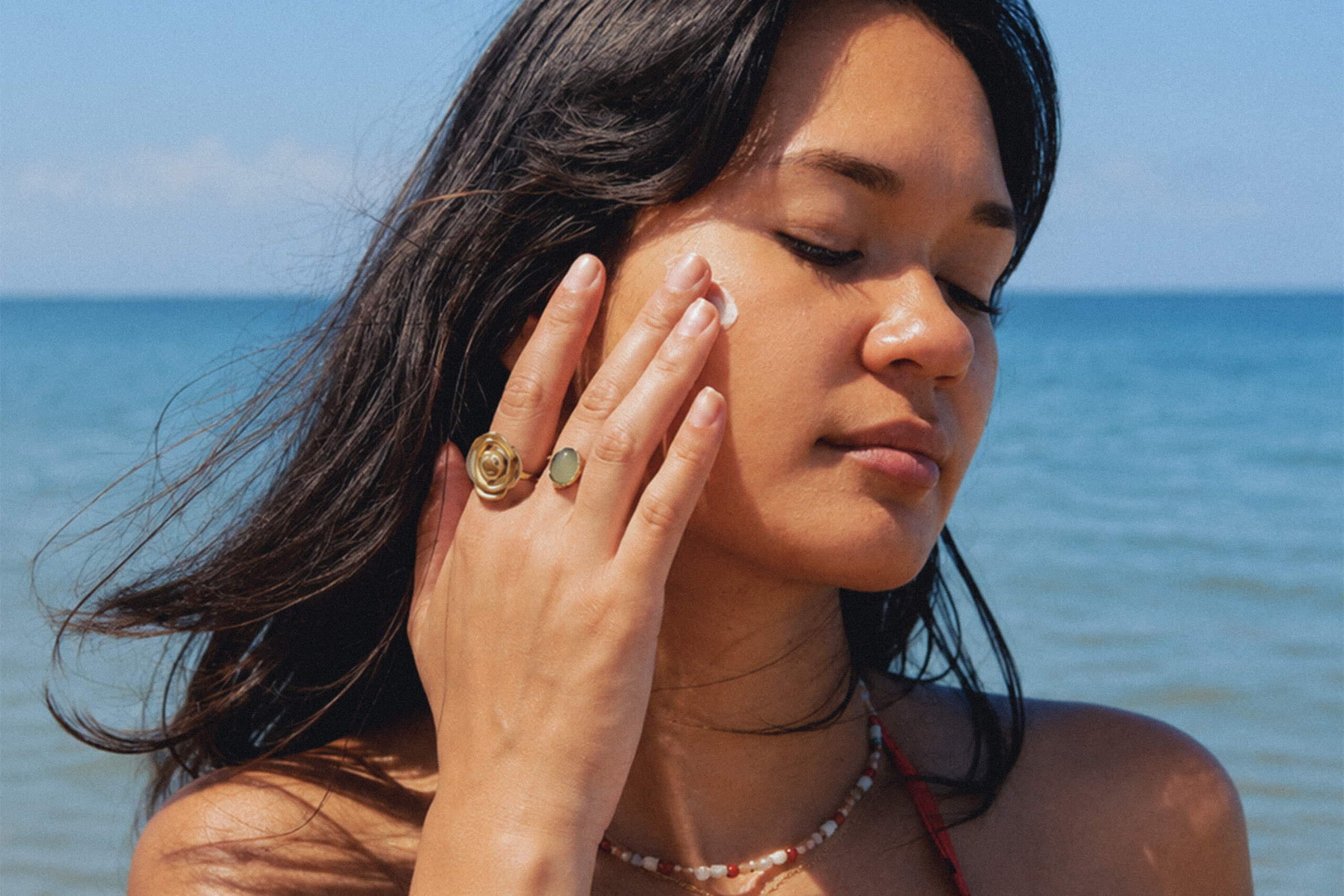
UV radiation, first and foremost. A landmark study on extrinsic skin aging estimates that UV radiation accounts for up to 80% of damage linked to environmental factors (Poljšak B, Dahmane R. Free Radicals and Extrinsic Skin Aging. Journal of Aging Research, 2012).
-
Air pollution, particularly ozone and particulate matter, which also generates free radicals on contact with skin and the respiratory tract.
-
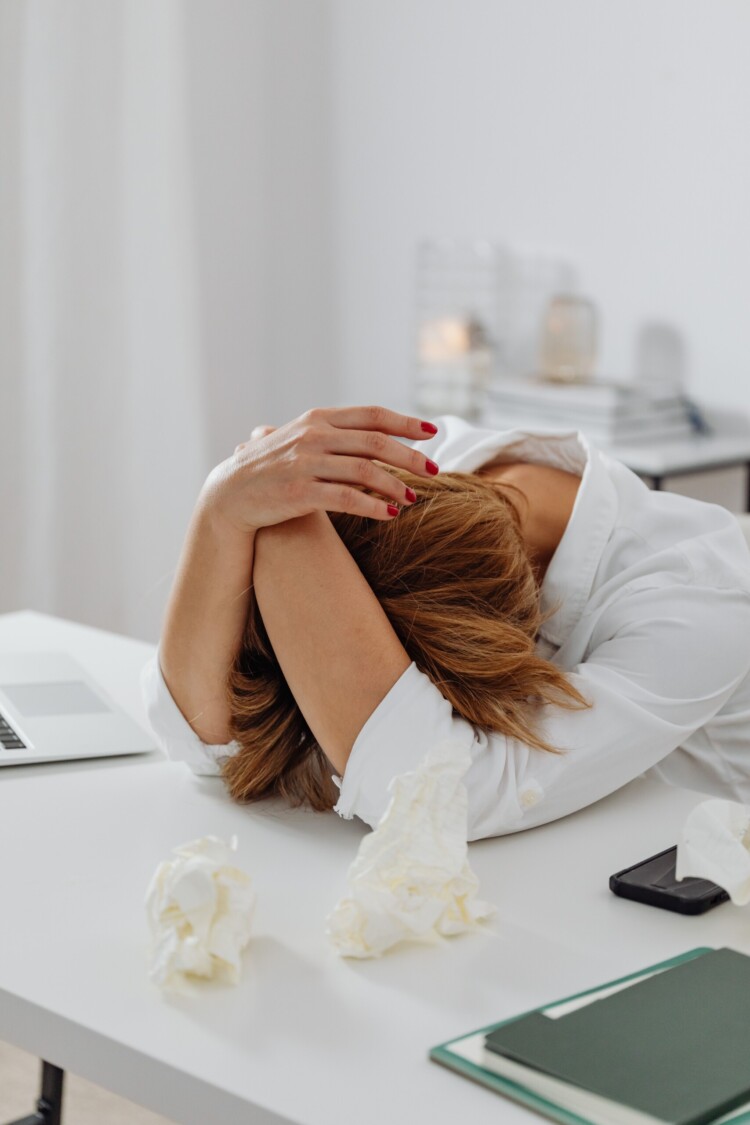
Smoking, alcohol, an unbalanced diet, and even chronic psychological stress, all of which are documented extrinsic factors that accelerate oxidative imbalance (Poljšak & Dahmane, 2012; Bocheva G, et al. Focus on the Contribution of Oxidative Stress in Skin Aging. Antioxidants, 2022).
Summer, in particular, tends to stack several of these factors at once: longer sun exposure, heat, and sometimes more alcohol consumed during time off. A combination that can easily tip oxidative stress into imbalance if nothing is done to offset it.
What This Means for the Skin
On the skin, an excess of free radicals has direct, well-documented consequences.
A review published in Antioxidants (MDPI, 2022) explains that ROS trigger the production of matrix metalloproteinases (notably MMP-1), enzymes that break down collagen and accelerate the skin aging process.
The visible consequences include more pronounced wrinkles, rougher texture, loss of firmness, and pigmentation irregularities (Bocheva G, et al., 2022).
Another review in the International Journal of Cosmetic Science notes that excess reactive species also worsen skin tone unevenness, pigmentary disorders, and roughness (Chen X, et al., 2021).
What This Means for Health More Broadly
Oxidative stress isn’t only about skin appearance: in the scientific literature, it’s associated with accelerated cellular aging more generally, as well as a number of chronic conditions.
Research in animal models has established a link between cumulative oxidative stress (the so-called “free radical theory of aging”) and reduced lifespan, although the exact mechanisms remain a subject of ongoing scientific debate (review, Oxidation events and skin aging, ScienceDirect, 2015).
This is why the topic extends well beyond cosmetics alone: limiting oxidative stress is a matter of overall health, not just appearance.
How to Slow Down Oxidation Naturally
The good news is that diet remains one of the most accessible levers for helping the body neutralise free radicals more effectively.
-
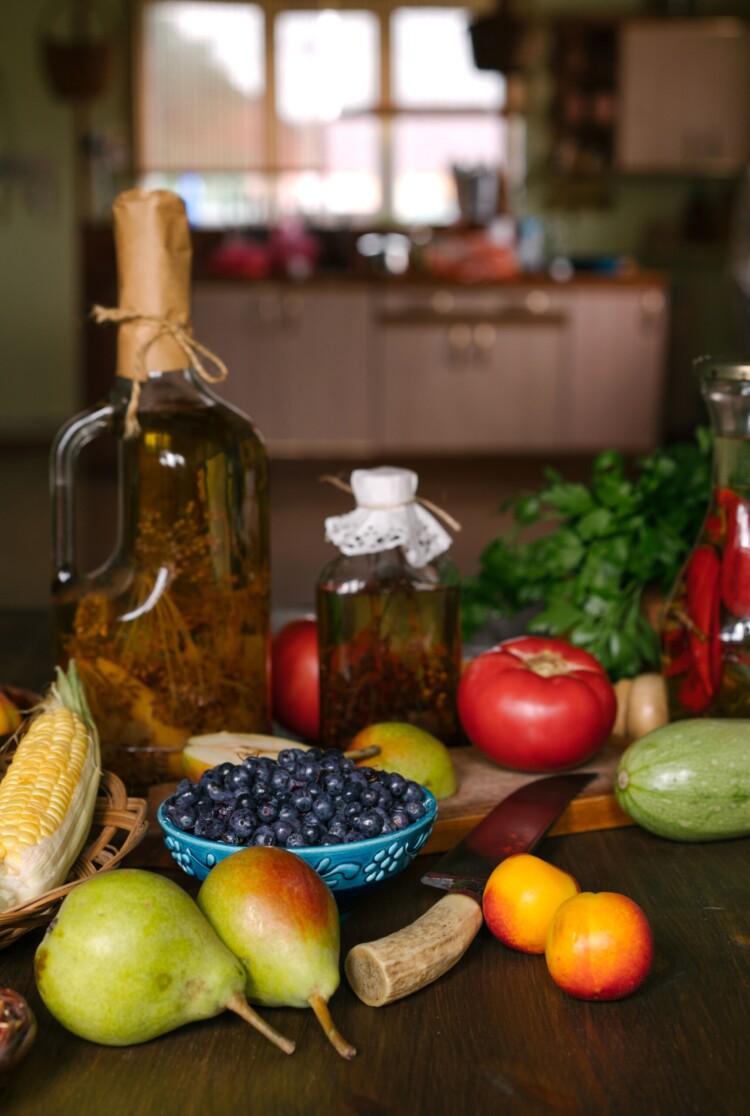
Favour variety of colour on the plate. Carotenoids (tomato, carrot, pepper), anthocyanins (blueberries, blackberries, grapes), and chlorophyll (spinach, broccoli) each bring different families of antioxidants, which work in synergy rather than in isolation.
- Prioritise vitamin C and vitamin E. Vitamin C directly neutralises the free radicals generated by UV exposure and supports collagen and elastin synthesis. A scientific review notes that ascorbic acid works in synergy with other antioxidants such as polyphenols, tocopherols (vitamin E), and resveratrol to limit free radical concentration and slow the aging process (Bocheva G, et al., 2022).
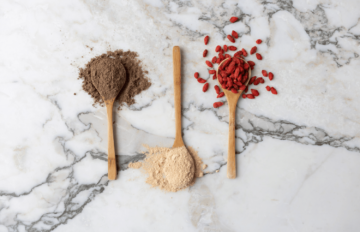
- Don’t overlook spices. Turmeric, ginger, paprika: their richness in curcuminoids makes them simple allies to work into everyday meals, summer dishes included. Be wary of “all or nothing” thinking. A diet rich in antioxidants does not protect against the effects of excessive sun exposure: it complements adequate sun protection, and never replaces it.
Consider organic where possible. A meta-analysis covering 343 studies found that fruits, vegetables, and cereal products from organic farming contain, on average, 18 to 69% more polyphenols, and around 17% more carotenoids, than their conventional equivalents (meta-analysis reported by Cerin, Centre de Recherche et d’Information Nutritionnelles).
In Short
Oxidative stress is a natural phenomenon, but summer brings together several factors that can tip it out of balance: more intense UV, heat, prolonged exposure. Its consequences, well documented in the research, affect both the skin’s appearance — wrinkles, loss of firmness, pigmentation spots — and cellular health more broadly. Against this, diet remains an accessible and effective lever: varying colour on the plate, favouring seasonal fruits and vegetables, and never forgetting that no food, however rich in antioxidants, replaces adequate sun protection.
Sources: Chen X, et al. International Journal of Cosmetic Science, 2021; Poljšak B, Dahmane R. Journal of Aging Research, 2012; Bocheva G, et al. Antioxidants (MDPI), 2022; Oxidation events and skin aging, ScienceDirect, 2015; Cerin meta-analysis on organic produce (343 studies).