







How to Choose a Vegan, Organic Lip Balm : The Criteria That Make the Difference
The market for “natural” lip balms has grown considerably in recent years. Vegan, organic, clean, free from controversial ingredients — the labels multiply, and it has become genuinely difficult to tell a well-considered formula from a simple marketing position. Here are the concrete criteria worth checking before making a choice.
1. Read the INCI List, Not Just the Packaging
The INCI list (International Nomenclature of Cosmetic Ingredients) is the only reliable source for what a product actually contains. A balm can display “natural” prominently on its packaging while containing mostly synthetic ingredients underneath.
A few useful markers:
the shorter and more legible the list, the more likely the formula is simple and transparent. Plant oils typically appear under their Latin names (Butyrospermum parkii for shea butter, Simmondsia chinensis for jojoba, for instance). By contrast, the presence of paraffin (Paraffinum liquidum), silicones, or an undisclosed “parfum/fragrance” entry are signals worth questioning for anyone seeking a genuinely natural formula.
2. Understand What “Vegan” Guarantees — and What It Doesn’t
A vegan balm excludes any ingredient of animal origin, which rules out beeswax and lanolin — two ingredients traditionally relied upon for their texture and hold in conventional balms. This demands more exacting formulation, using plant-based alternatives such as carnauba wax or jojoba esters.
One caveat: vegan does not automatically mean organic, or even natural. A product can be entirely vegan while still containing synthetic ingredients. The two criteria are complementary but distinct, and each is worth verifying on its own terms.
3. Look for a Recognised Organic Certification
The word “organic” isn’t always legally regulated, depending on the country and the sales channel. To know exactly what you’re buying, it’s worth relying on an independent, recognised certification:
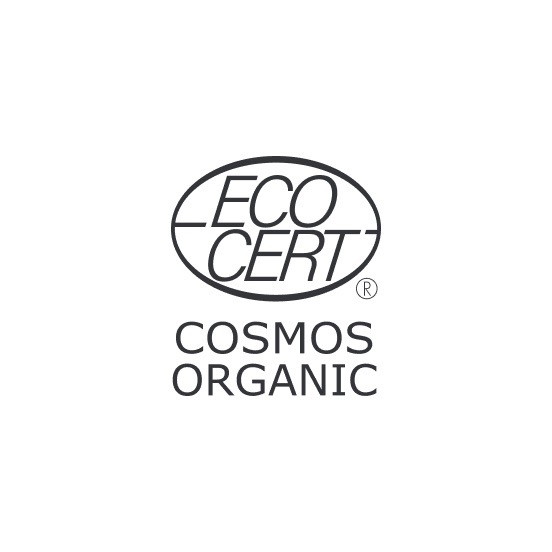
- COSMOS Organic (a European label, audited by bodies such as Ecocert): guarantees a minimum percentage of organically farmed ingredients, along with strict rules governing which manufacturing processes are permitted.
- Ecocert: one of the most widely recognised certifying bodies in Europe, auditing the entire production chain.
A product carrying one of these labels has been independently audited — a far stronger guarantee than a vague claim such as “organic-inspired” or “made with natural ingredients,” phrasing that commits to nothing in particular.
4. Consider the Number and Nature of the Active Ingredients
A basic lip balm typically contains three to five ingredients: a waxy base, an oil, occasionally a fragrance. This type of formula protects the surface of the skin but neither nourishes nor repairs it at any depth.
A higher-quality balm generally brings together fifteen to twenty different active ingredients, each with a complementary role: repairing actives (calendula, shea butter), nourishing oils (argan, jojoba, macadamia, and others), film-forming actives that limit water loss, and sometimes soothing actives for sensitised or chapped lips. This density of actives is a reliable indicator of a formula’s overall level of ambition.
5. Consider Where It’s Made
The place of manufacture has a direct bearing on traceability, quality control, and the environmental footprint linked to transport. A product made in France (or in the country where it’s sold) generally implies stricter manufacturing standards and tighter oversight at every stage, compared with production outsourced to lower-cost regions.
This information should be clearly stated on the packaging or the product page. Its absence is worth questioning.
6. Check How Versatile It Really Is
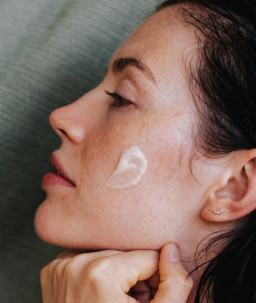
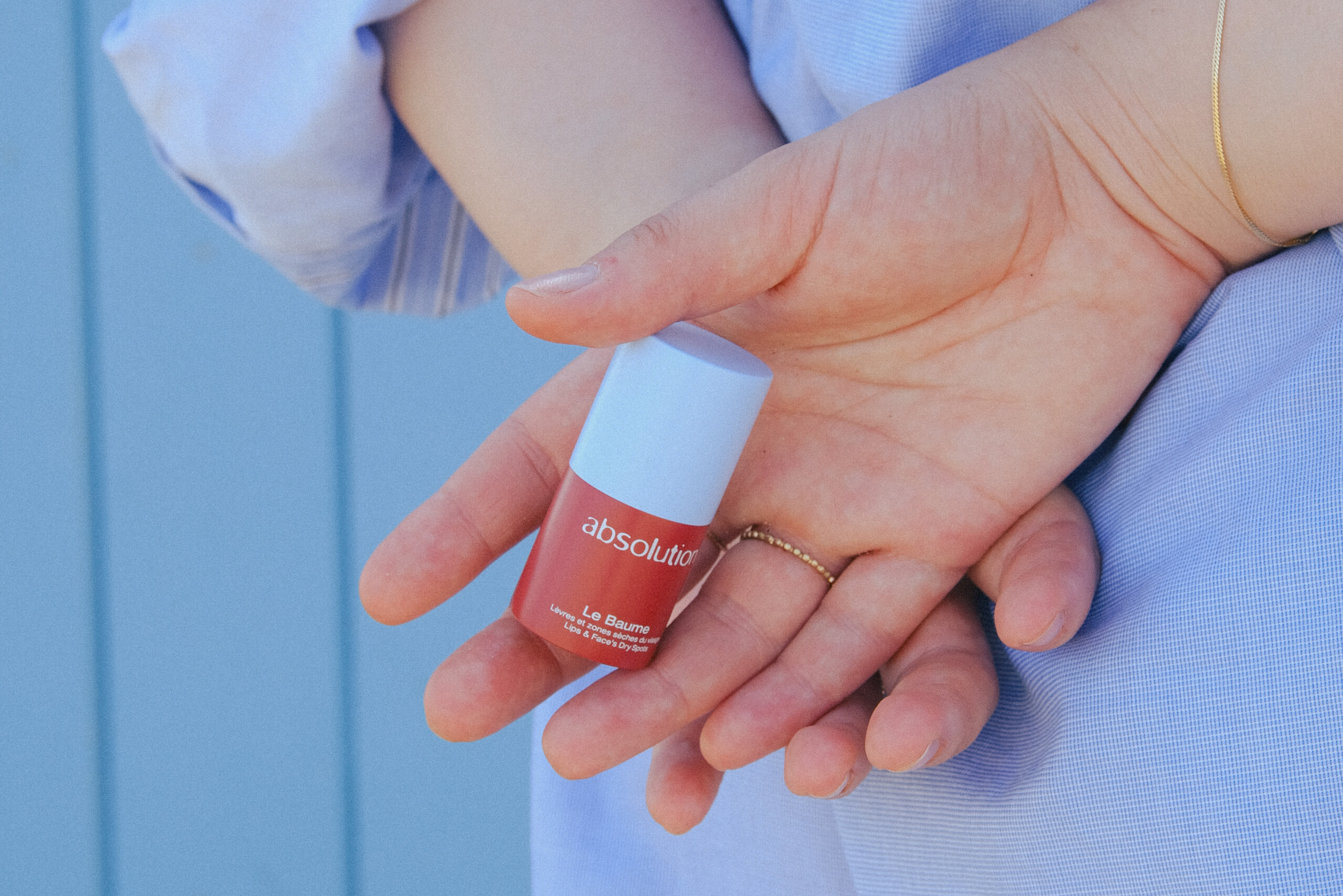
Some balms are strictly limited to the lips. Others, formulated with a sufficient density of active ingredients, can also be used on other dry areas of the face — the sides of the nose, the cheekbones, the cuticles. This versatility isn’t simply a marketing claim: it reflects a formula rich and gentle enough to be used well beyond the lips, without risking irritation.
A balm capable of serving several purposes also simplifies a beauty routine, by reducing the number of products needed day to day.
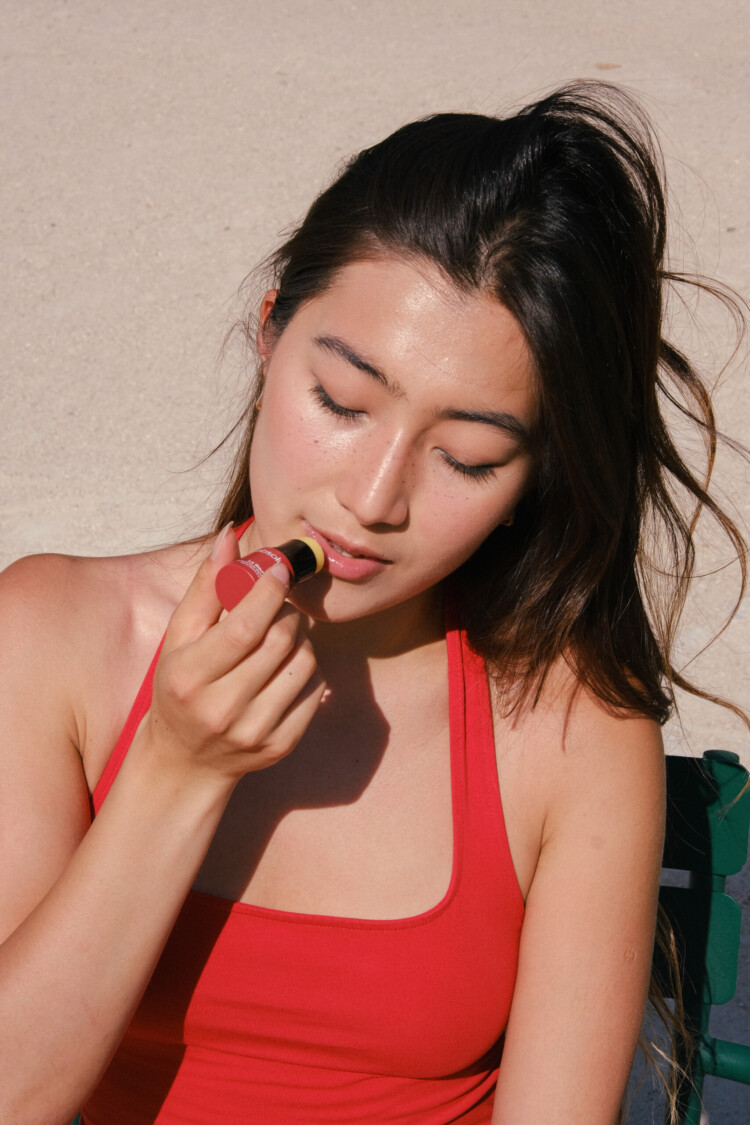
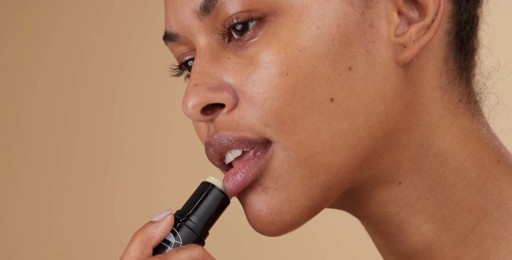
Apply generously to the lips.
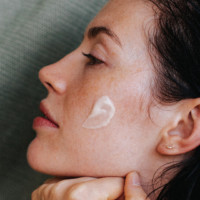
As a preventive measure or at the first signs of dryness, also use Le Baume on the sides of the nose, dry areas of the face, and cuticles.
It easily fits into any routine, morning, evening, or during the day depending on your needs.
In Summary: A Pre-Purchase Checklist
Before choosing a vegan, organic lip balm, a few quick checks can help avoid false promises:
- Is the INCI list short, legible, and free of questionable ingredients?
- Is the product certified by a recognised body (COSMOS Organic, Ecocert), rather than simply labelled “organic”?
- How many distinct active ingredients does the formula actually contain?
- Where is the product manufactured?
- Can it be used on areas beyond the lips?
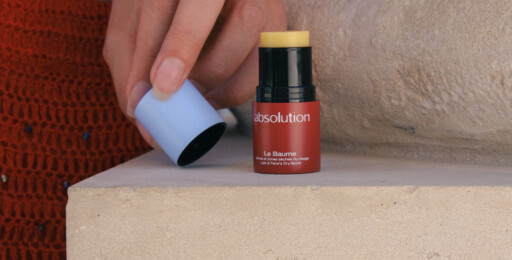
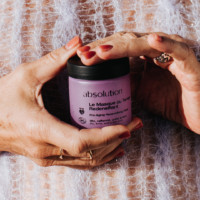
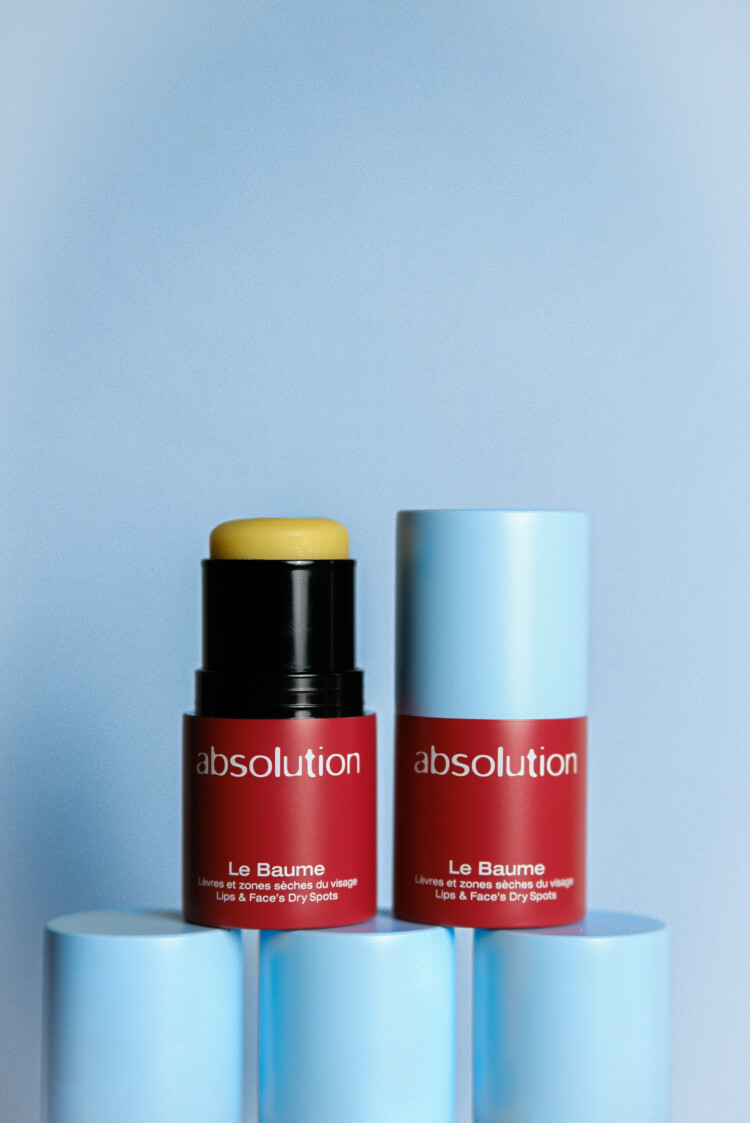
Le Baume by Absolution meets every one of these criteria: a formula of 22 natural active ingredients, certified COSMOS Organic by Ecocert, 100% naturally derived and 67% organic, vegan, made in France, and designed for use across multiple areas — lips, the sides of the nose, cheekbones, cuticles. A solid basis for comparison, well beyond what any label alone can promise.
D’autres articles qui pourraient vous plaire !